
 Image 1 of 5
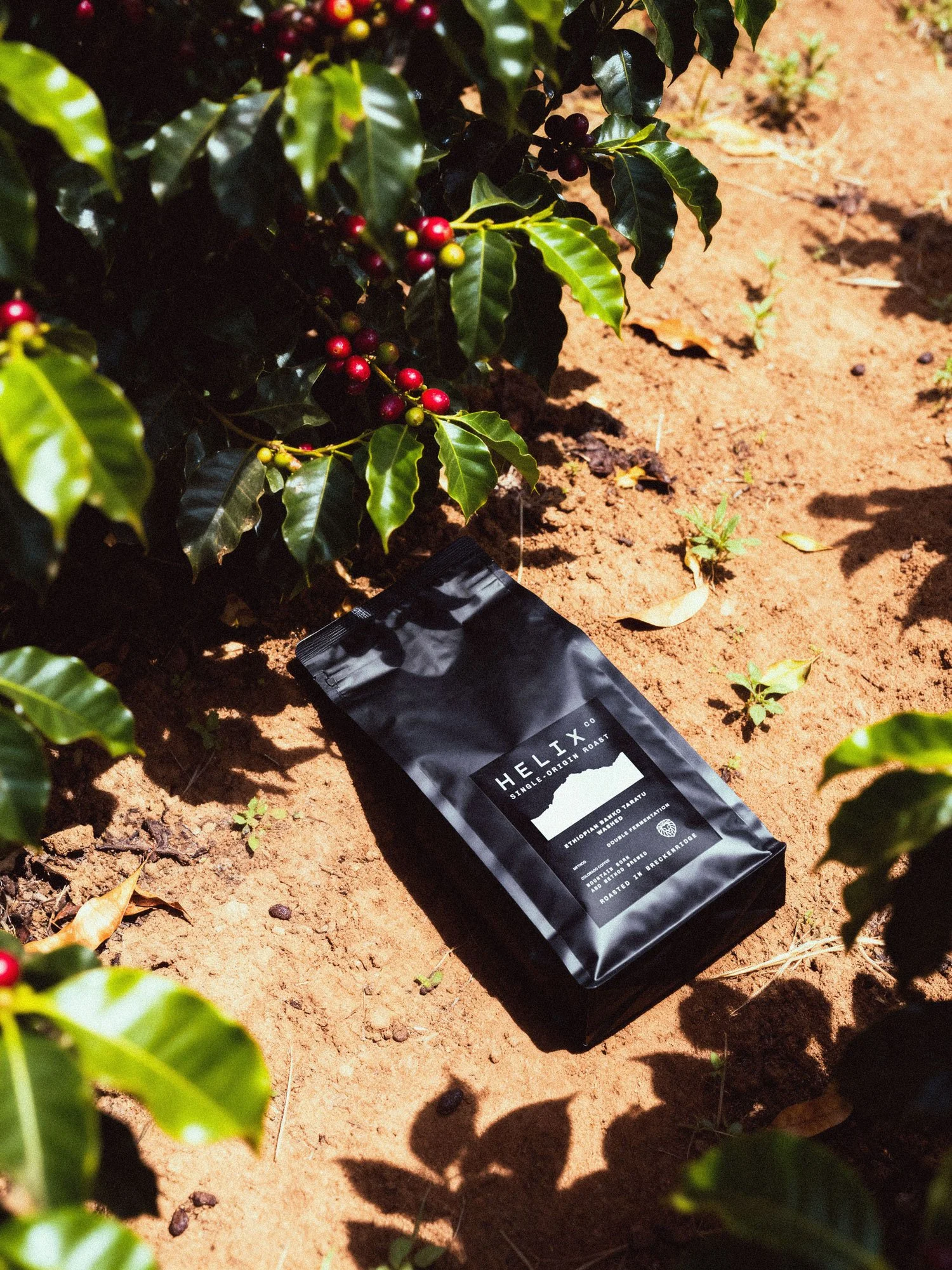 Image 2 of 5
 Image 3 of 5
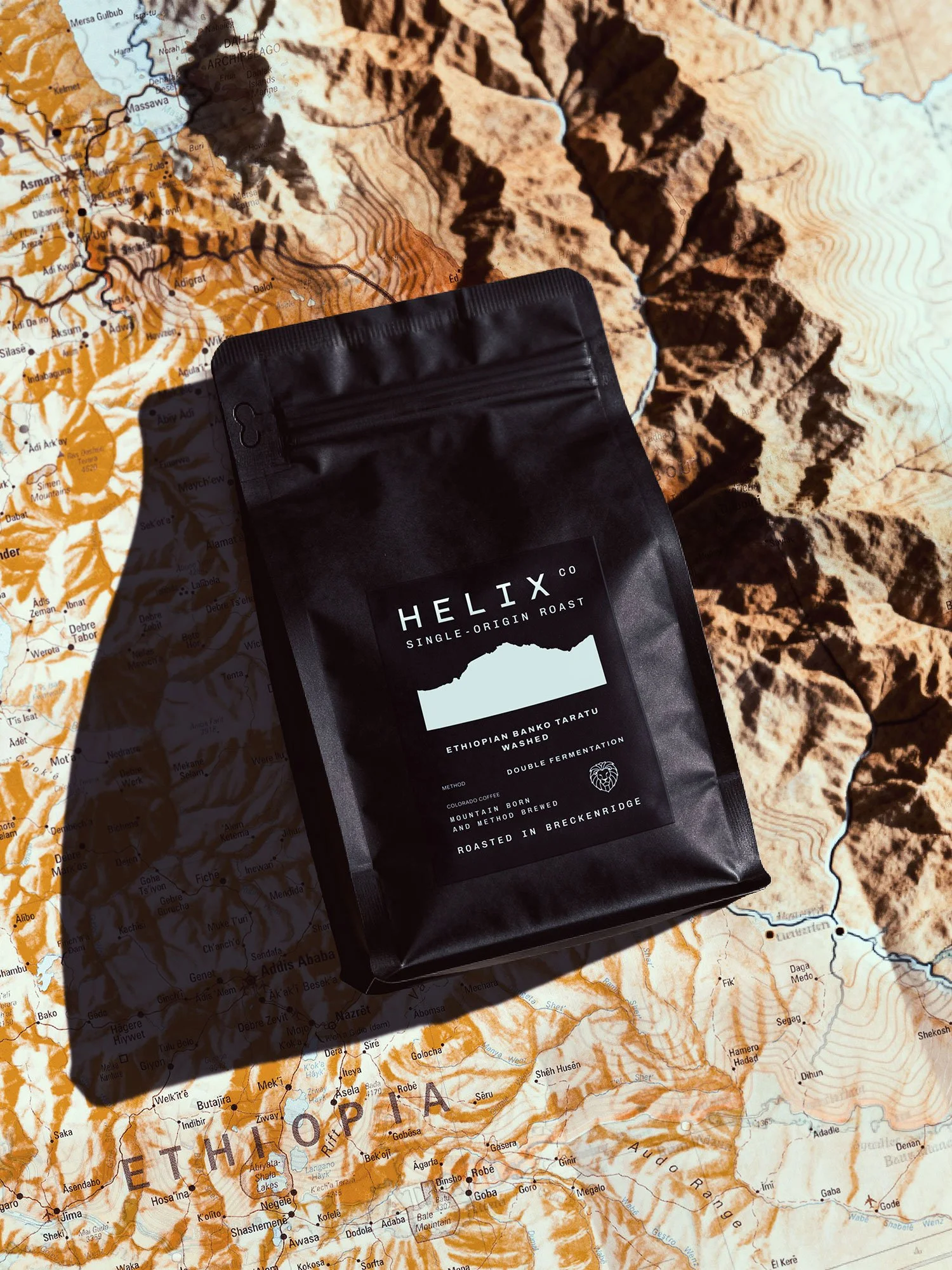 Image 4 of 5
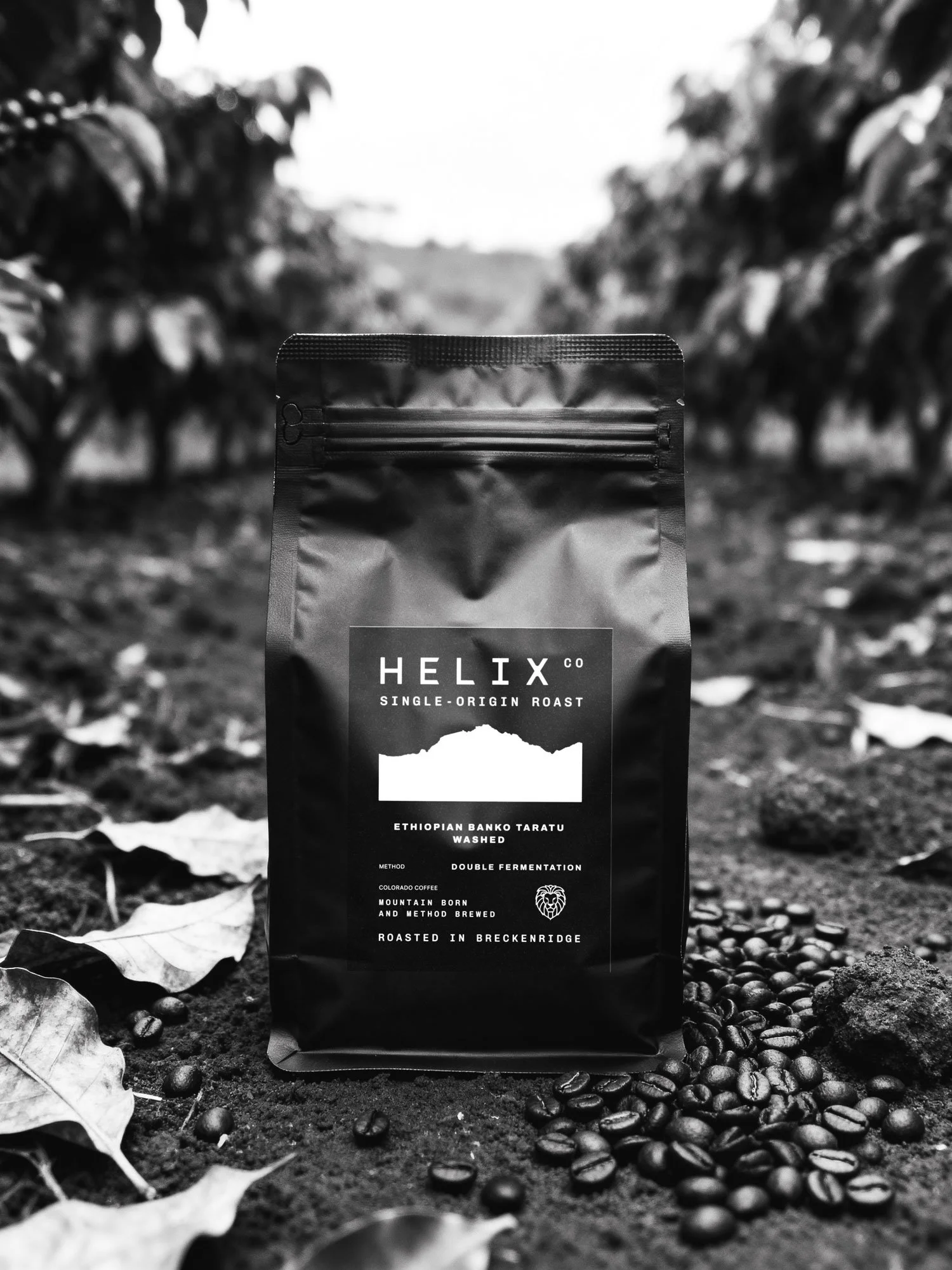 Image 5 of 5
The Details
Origin: Gedeb Banko Taratu, Yirgacheffe, Ethiopia
Altitude: 1900–2300 meters above sea level
Variety: Indigenous Heirloom
Harvest: October – January
Rainfall: 1200–1599 mm annually
Background:
This lot comes from the high-altitude village of Banko Taratu in Yirgacheffe, Ethiopia. The beans are processed using a double fermentation method, which develops complexity and clarity in the cup. Handpicked from more than 500 family-owned farms and carefully processed by local teams, this coffee reflects both the region’s traditional farming practices and the skill of its growers. The result is a clean, expressive cup that highlights the unique character of the Ethiopian heirloom varieties 74110 and 74112.
-
Double fermentation is a specialized coffee processing method that enhances flavor complexity by utilizing two distinct fermentation stages. Ripe coffee cherries are handpicked to ensure quality. Then cherries are pulped to remove the outer skin. The beans, still coated in mucilage, are placed in fermentation tanks. This initial fermentation typically lasts 48–72 hours, breaking down the mucilage and influencing flavor. The washed beans undergo a second fermentation tank for another 12–24 hours. This stage can last several additional hours, allowing for more complex and nuanced flavors to develop. Post-fermentation, beans are dried 12–15 days to reduce moisture, using raised beds. The two fermentation stages allow for the development of rich, layered flavors, often resulting in fruity, floral, or vibrant profiles. Further, the washing process helps highlight the coffee's inherent qualities, making it taste brighter and more refined. Double fermentation is favored by specialty coffee producers seeking to create distinctive and high-quality coffee experiences.
-
The final processing and cleaning are carried out at a subcontracted processing and warehouse facility in the Kaliti area of Addis Ababa. The coffee is processed based on categories, considering density, screen size, removal of undesirable small debris, and rocks. The finished clean coffee is directly placed into jute bags and wrapped in Ecotact plastic bags. After packaging, reference samples are taken, and evaluation and cupping are performed before the products are shipped to the desired destination. Dry mills handle the physical filling of containers and prepare necessary documentation and procedures required for a successful export.
-
Transportation from the warehouse to the port is conducted by specially trained and certified transport companies. Drivers are qualified for this task, and transport is always carried out in convoys, monitored round the clock. All cargo is insured, and in some instances, escorts are present during transport. Edn Ethiopian Coffee Export Plc is responsible for processing and export.
-
We work directly with over 500 family-owned farms in Banko Taratu and operate a dedicated processing site with 130 employees. Through financial support, fair pricing, and subcontracting opportunities, we promote sustainable farming and community prosperity while maintaining consistent, premium-quality coffee every year.